
Mullica Hill Historic Walking Tour
The Gaunt House
c. 1885 · 14 South Main Street
Start anywhere. Follow the next-stop button to keep exploring.
In 1916, George Gaunt was injured while fighting a fire in Mullica Hill. He never fully recovered.
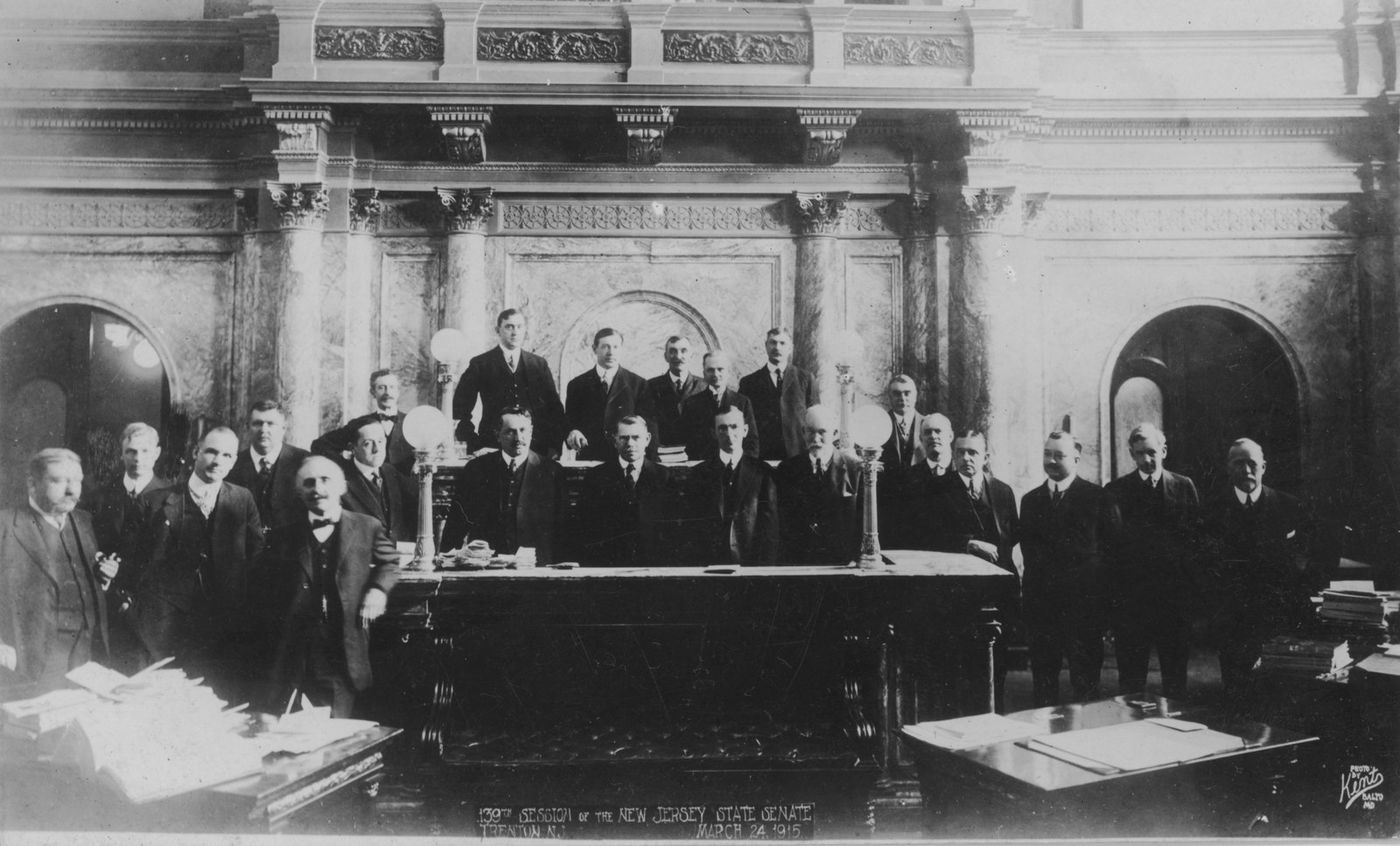
He passed away two years later, in September of 1918, at age fifty-two. A sitting state senator, the past President of the New Jersey Senate, a man who had served as acting Governor of New Jersey, died of injuries taken fighting a village fire. This was Senator George W. F. Gaunt's house, and he built his public career from it for the second half of his life.
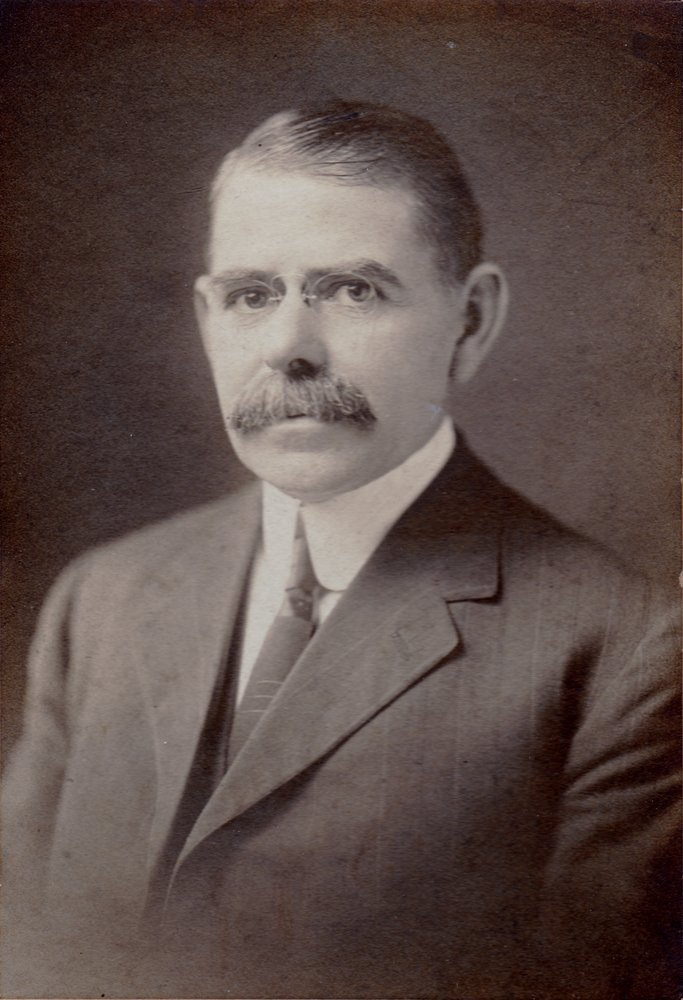
His sphere was agriculture. He served sixteen years as Master of the New Jersey State Grange, the agricultural fraternity that organized farmers across the state, and in those years grew its membership from three thousand to twenty-five thousand. The National Grange named him its Lecturer and gave him its highest honorary degree, High Priest of Demeter. He sat on the New Jersey State Board of Agriculture in a county that was running on tomatoes, sweet potatoes, asparagus, and apples.
The Federal Reserve Bank of Philadelphia elected him to its board. His political career ran in parallel, with three terms in the New Jersey Senate. None of it took him out of this village. He stayed a volunteer firefighter at home, and the bell that called him was his own town's.
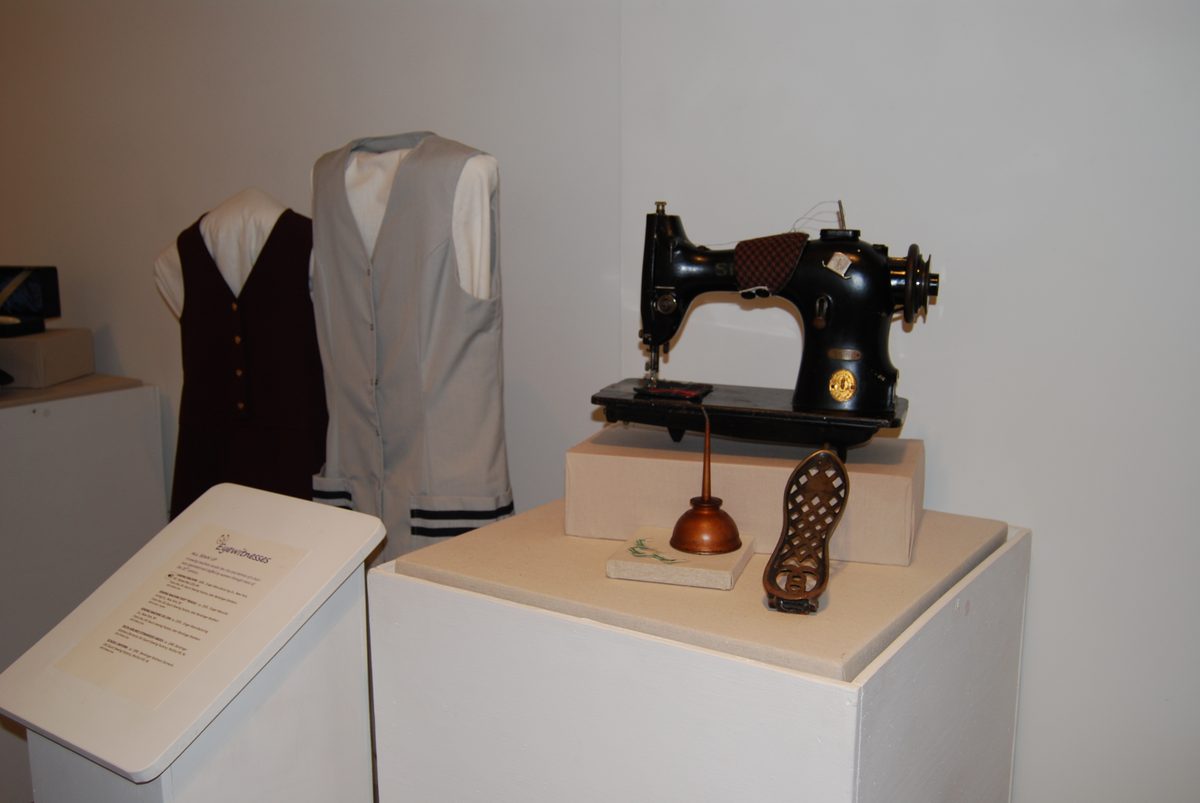
After the Senator's death, his son and his daughter-in-law Marion inherited the house. During the Depression, Marion started a sewing business on the third floor. Look up at the top story of the house. The original two arched windows are gone. Marion had them rebuilt as three larger openings, because she needed the light to sew. By the early 1940s she had a wartime contract and had outgrown the attic, and the operation expanded down the block into the Gaunt Store buildings. People in the village came to know her simply as Mrs. Gaunt.
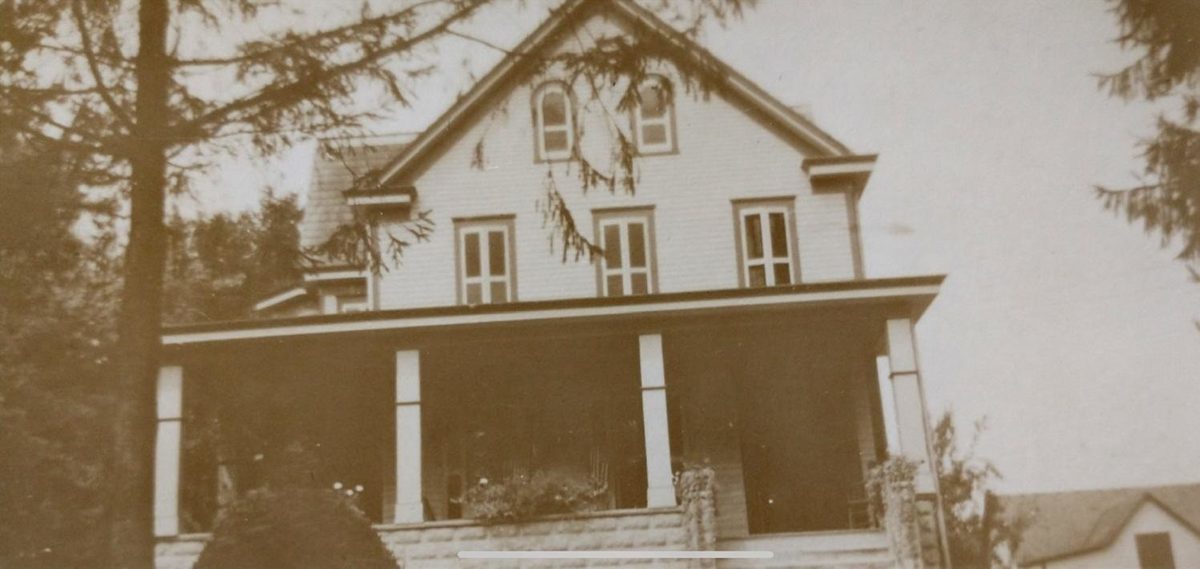
Marion outlived her father-in-law by seventy-six years. She died in 1994 at age ninety-six and is buried beside him in the Friends Burial Ground at Stop 2. Before her death she donated the Senator's ceremonial Senate gavel to Old Town Hall Museum. The Gaunts kept this house for well over a century. It changed hands outside the family for the first time in 2022. As you continue walking, look at the Church Street side of the building. The carriage step the Senator used to climb into a coach is still set in the grass between the sidewalk and the curb.
Did You Know
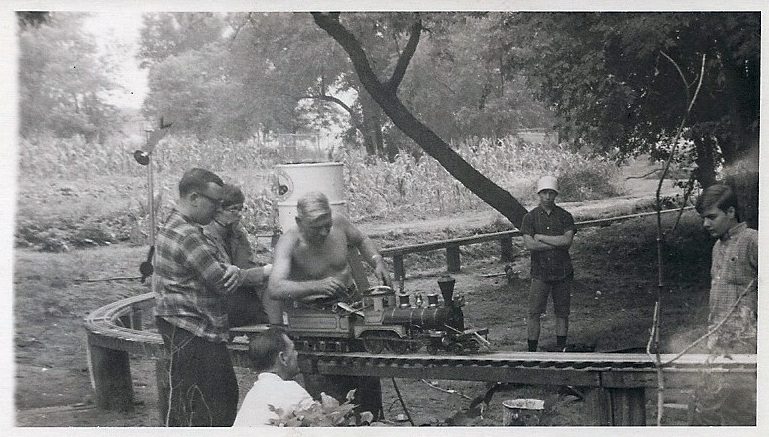
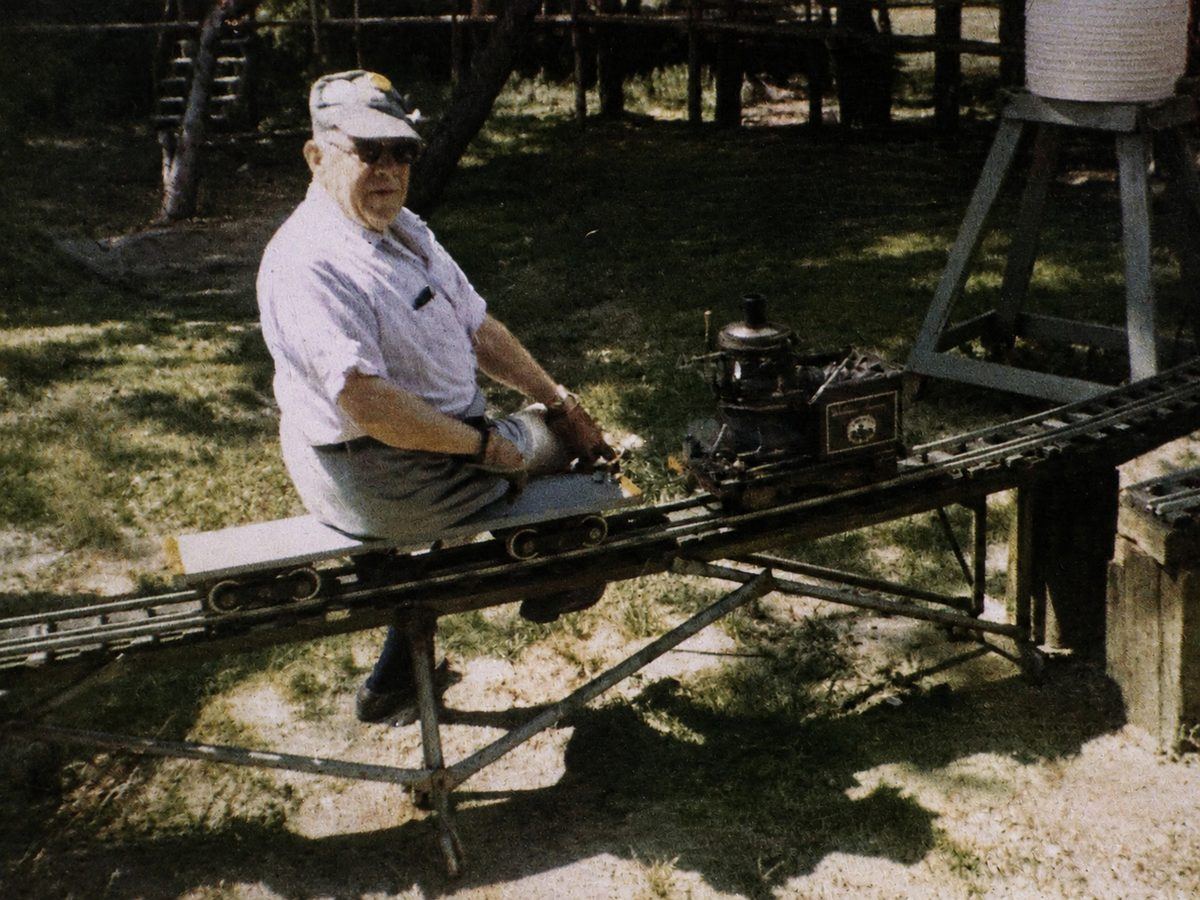
Behind this house, the Senator's son built and operated a working live-steam railway. Visitors came from across the region to ride. The trains ran from this yard for decades.